
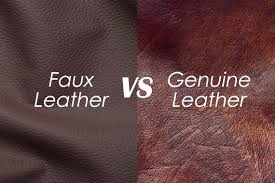
When shopping for leather goods, most people have heard the term “genuine leather” — but few realize that there is a world of difference between top-grain leather and split leather under that umbrella. The texture, durability, and lifespan of a piece like the bag you’re looking at are largely determined by which type of leather it uses. Today, we’ll break down the key differences so you can spot quality at a glance, avoid misleading marketing, and shop with confidence.
1. First, Understand What They Actually Are
A single cowhide is split into multiple layers during processing — and the difference between top-grain and split leather starts here:
- Top-grain leather: The outermost, original layer of the hide, retaining natural pores and a dense, tight fiber structure. It’s the “prime” layer of the hide, preserving its strength, breathability, and natural character. It is the highest-quality leather used in premium goods.
- Split leather: The lower, fibrous layer left after the top-grain is removed. It has a loose, weak fiber structure and no natural grain or pores of its own. It must be treated with synthetic coatings, embossed patterns, and PU layers to mimic the look of top-grain leather. Essentially, it’s a processed “reconstituted leather” with lower cost and far less natural character.
2. Four Key Differences to Spot Them Instantly
1. Visual Texture: Natural vs. Manufactured
- Top-grain leather: The grain is naturally formed — irregular, non-repeating, and as unique as a fingerprint. Even lightly corrected finishes reveal subtle, uneven pores when examined closely. Its luster is soft and natural, developing a richer patina over time.
- Split leather: The “grain” is machine-embossed, resulting in rigid, repetitive, uniform patterns. Covered by a synthetic coating, it rarely shows natural pores. Its shine often looks plastic-like, especially on glossy styles, with a noticeable synthetic “sheen” rather than natural depth.
2. Touch and Flexibility: Supple vs. Stiff
- Top-grain leather: Feels soft, supple, and warm to the touch, with a natural “give” rather than a rigid, lifeless feel. Pressing lightly creates soft, irregular creases that slowly fade as the leather springs back — a sign of its natural fiber elasticity.
- Split leather: Feels stiff or has a slippery, plastic-like surface, lacking the warm, organic feel of genuine leather. Pressing on it rarely creates natural creases; it may only deform rigidly along with the coating, with a stiff, unyielding rebound that often leaves permanent marks.
3. Scent: Subtle vs. Harsh
- Top-grain leather: Has a faint, natural leather aroma, no harsh chemical odors. Even new pieces have a mild scent that fades over time, eventually developing a unique, pleasant patina smell with use.
- Split leather: Often carries a noticeable plastic, glue, or chemical odor from its synthetic coatings and adhesives. This smell can linger for months, even with ventilation, making it immediately obvious to anyone sensitive to strong scents.
4. Durability and Lifespan: Aging Gracefully vs. Wearing Out Fast
- Top-grain leather: Its dense fiber structure makes it extremely durable, resistant to wear and stretching, with a lifespan of 5–10 years or more. It is “age-worthy”: with use, it develops a beautiful, rich patina that only gets better with time, giving it character even as it ages.
- Split leather: Relies entirely on its surface coating for strength, with poor resistance to wear and aging. It typically lasts only 1–3 years before the coating cracks, peels, or flakes off. Once the synthetic layer fails, the underlying fiber layer deteriorates quickly, with no meaningful way to repair or restore it.
3. Common Misleading Marketing to Avoid
Many sellers use vague terms to confuse buyers — here are two critical points to remember:
- “Genuine leather” ≠ top-grain leather: In the industry, both top-grain and split leather fall under the definition of “genuine leather.” If a product only labels itself as “genuine leather,” it is very likely split leather (or the lowest grade of heavily corrected top-grain leather).
- Price is a clear indicator: The cost of top-grain leather is 2–3 times higher than split leather for the same item. If a “top-grain leather bag” is priced suspiciously low, it is almost certainly split leather being passed off as premium quality.
4. Which Should You Choose?
- If you want a leather good that will last for years, develop character, and feel better with age (like a daily work bag or a pair of everyday shoes), top-grain leather is the way to go. While it costs more upfront, it offers far better long-term value.
- If you’re looking for a trendy, affordable style you’ll replace in a year or two, or working with a tight budget, split leather can be a viable option — but go into it knowing it will likely peel or crack before long.
The truth is, both have their place — as long as sellers are honest about what they’re selling. The real scam is when split leather is marketed as top-grain leather at a premium price. With these tips, you can avoid falling for that trick and shop for leather goods that deliver real value for your money.