
Category 1: Natural Leather
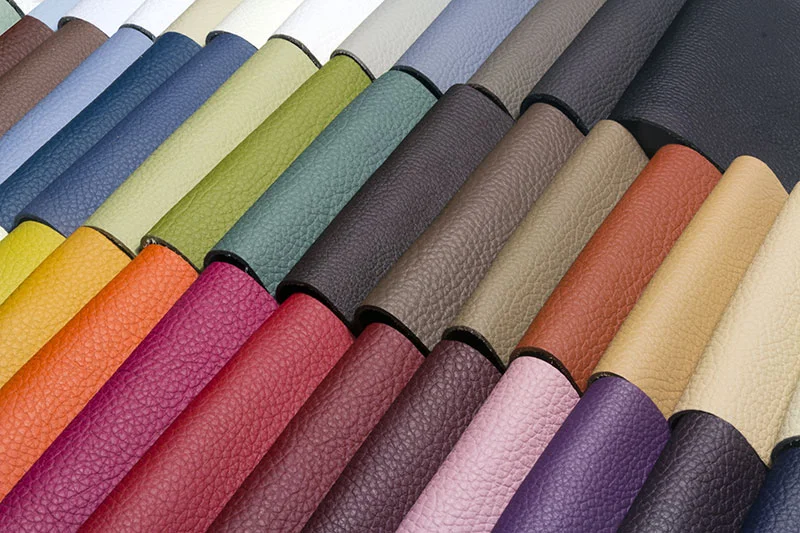
Natural leather is made from animal hides (like cow, pig, sheep, etc.) through physical and chemical processing (tanning). Its key characteristics are breathability, durability, natural grain, and it develops a unique patina over time.
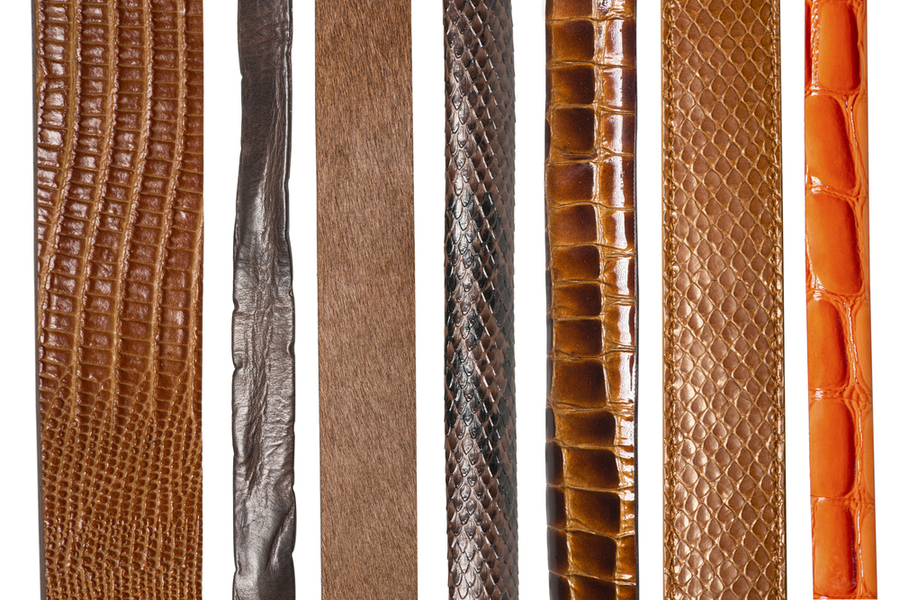
(I) By Animal Type
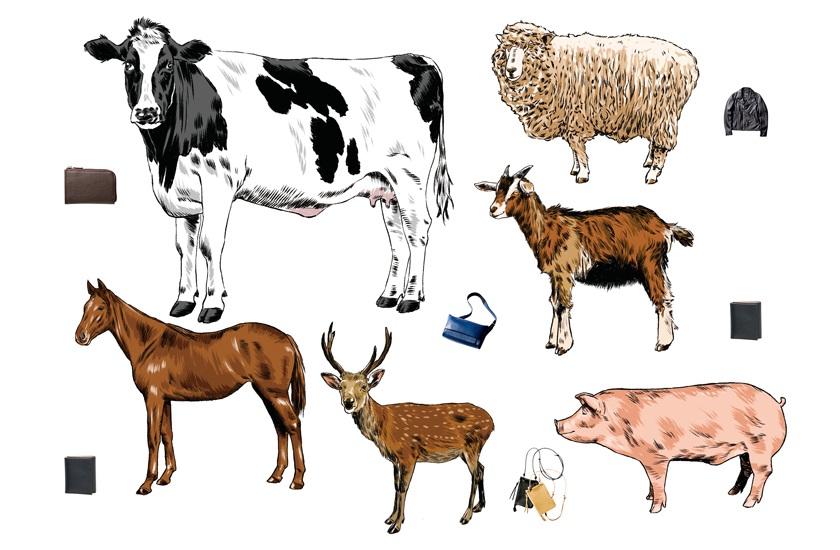
- Cowhide: The most widely used and common type.
- Ox/Cattle Hide: Fine surface, small pores, high strength. The highest grade of cowhide.
- Buffalo Hide: Large pores, relatively coarse texture. Often used for sofas, sandals, etc.
- Calfskin: From young calves, extremely soft, fine texture, and delicate grain. A high-grade leather.
- Sheepskin: Soft, lightweight, but less durable than cowhide.
- Lambskin: Very soft with fine, flat, oval pores. Silky手感. Often used for gloves, high-end apparel, and handbags.
- Goatskin: More durable than lambskin. Surface has a wave-like, pebbled grain. Often used for shoes and bags.
- Pigskin: Highly breathable, but coarse texture with large, triangular pores. Often used for linings, insoles, or affordable leather goods.
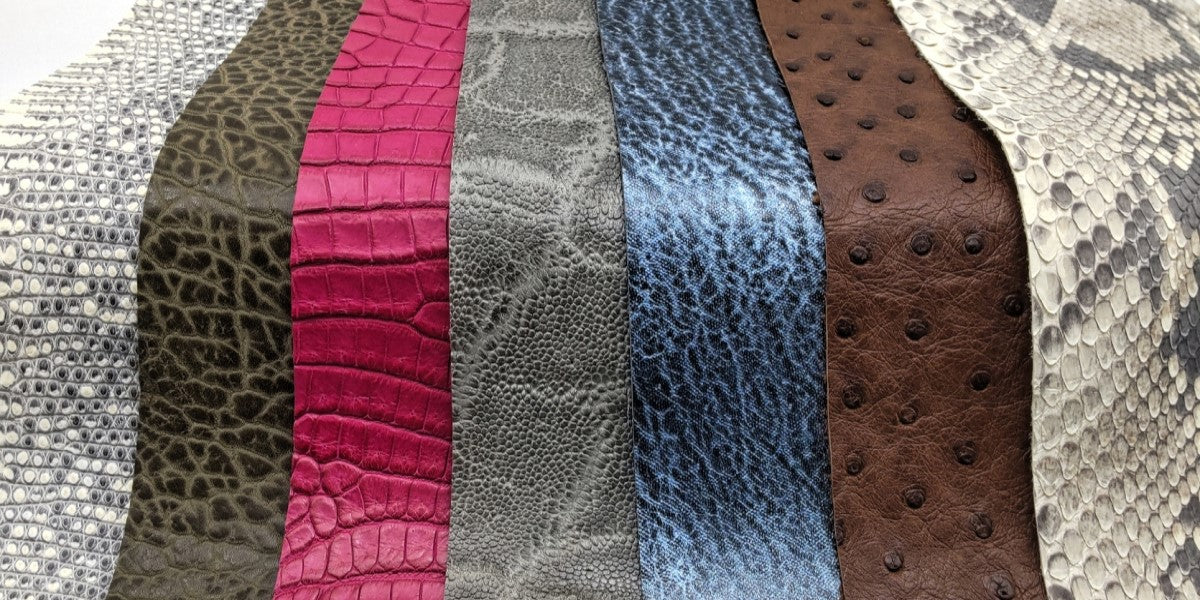
- Exotic Leathers:
- Crocodile/Caiman: The “king of leather,” known for its unique segmented tile pattern. Luxurious, tough, and very expensive.
- Ostrich: Recognized by its distinct quill follicles (bumps). Very soft and durable.
- Python/Lizard: Features unique scale patterns. Strong visual appeal, but relatively less durable.
(II) By Tanning Process
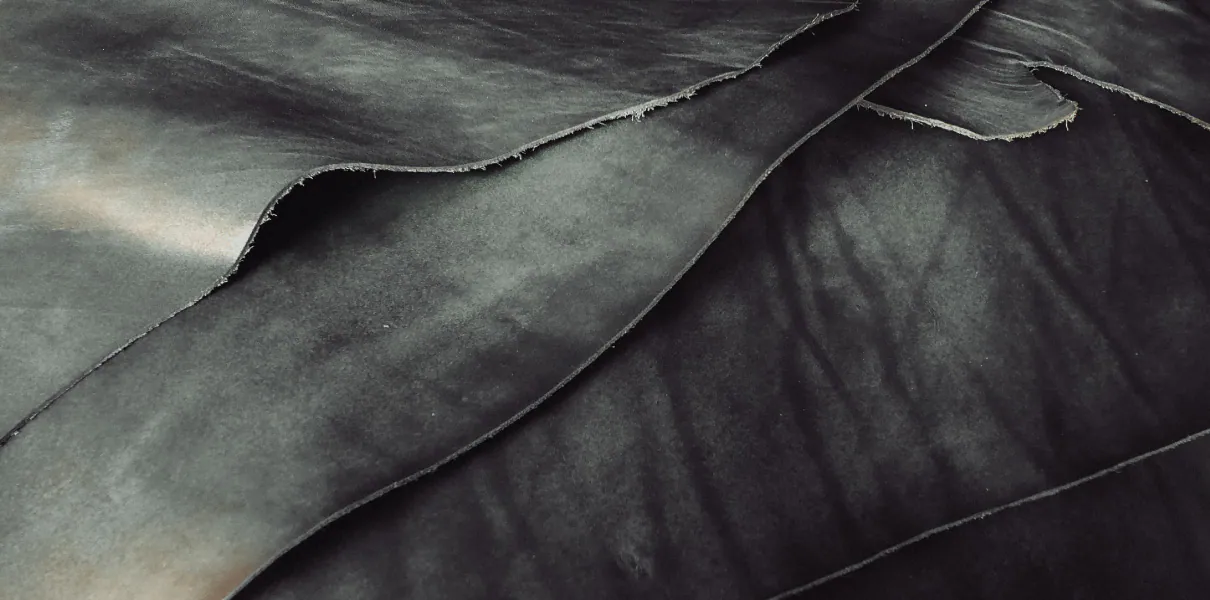
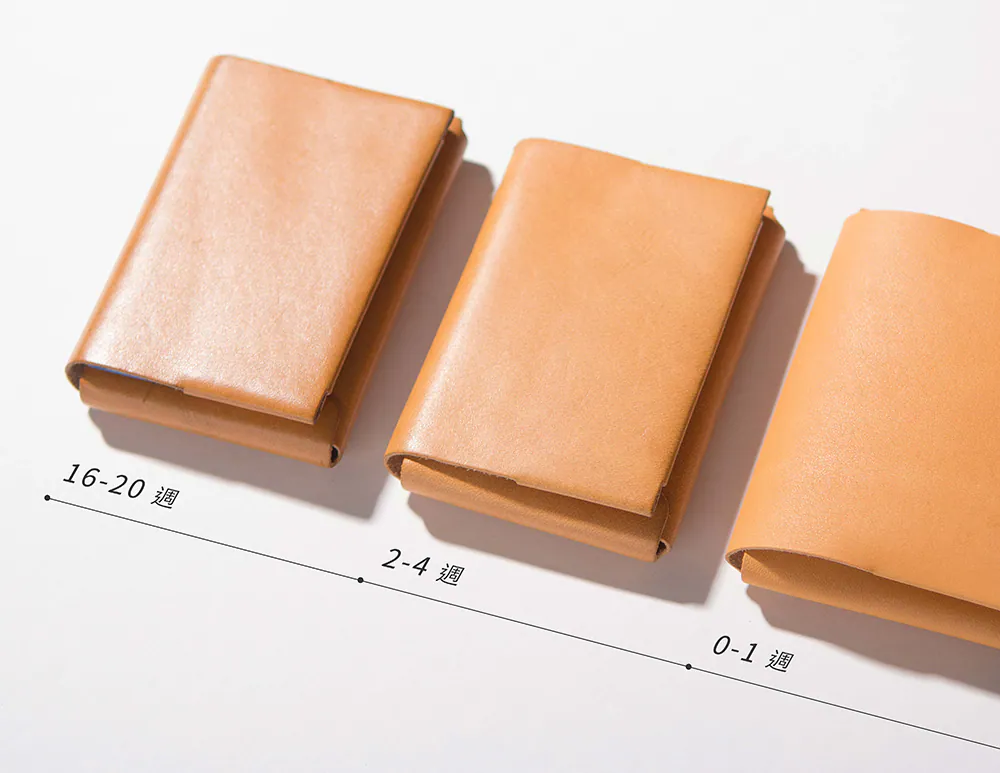
- Vegetable-Tanned Leather:
- Tanned using plant-based tannins (eco-friendly).
- Characteristics: Firm and stiff, excellent for molding and tooling. Develops a rich patina and darkens with age and use. Used for handmade leathercraft, belts, and shoe soles.
- Often referred to as “raw hide” when in its natural color.
- Chrome-Tanned Leather:
- Tanned using chromium salts. The mainstream modern tanning method.
- Characteristics: Very soft, supple, elastic, and comes in a wide range of colors. Resistant to water and heat. Accounts for over 90% of leather on the market. Used for clothing, bags, sofas, etc.
(III) By Surface Finish (Coating/Texture)
- Full-Grain Leather:
- Retains the animal’s original grain layer (outermost layer), showing natural markings and pores.
- Characteristics: The highest grade, most durable, and most breathable. Develops a beautiful patina over time. Scratches can be easily polished out.
- Top-Grain / Corrected-Grain Leather:
- The surface is lightly sanded/buffed to remove imperfections, and an artificial grain is often embossed.
- Characteristics: Aesthetically pleasing, durable, good value for money. Less natural and less breathable than full-grain.
- Embossed Leather:
- A pattern (like pebble grain, alligator, etc.) is pressed onto the leather surface, which can hide imperfections in the raw hide.
- Characteristics: Variety of styles, affordable.
- Suede / Nubuck:
- Suede uses the flesh side (with a nap) of the leather as the face.
- Nubuck is created by lightly sanding the grain side to create a velvety nap.
- Characteristics: Soft hand-feel, rustic style. Not waterproof and difficult to clean.
- Patent Leather:
- Coated with a high-gloss, reflective varnish or plastic layer.
- Characteristics: Very shiny, vibrant colors, waterproof. Prone to color transfer and scratching.
Category 2: Artificial Leather
Artificial leather is a synthetic material made to mimic the look and feel of natural leather.
- PU Leather (Polyurethane):
- Made by applying a polyurethane coating to a base fabric (usually knit or woven).
- Characteristics: Hand-feel is close to genuine leather, affordable, wide color range, eco-friendly. The current mainstream artificial leather, with wide quality variations.
- PVC Leather (Polyvinyl Chloride):
- Made by applying a PVC coating to a base fabric.
- Characteristics: Stiffer and less breathable than PU, generally less durable, lowest cost. Common in the past, now gradually being replaced by high-quality PU.
- Microfiber Leather:
- The full name is “Ultra Microfiber Reinforced Leather.” It is the highest-end synthetic leather.
- Characteristics: Performance and appearance are the closest to genuine leather, even surpassing it in some aspects (like abrasion resistance, tear strength, consistency). Highly breathable. More expensive. Often used in high-end sports shoes, car seats, etc.
How to Quickly Distinguish Natural Leather from Artificial Leather?
- Look at the Back: Genuine leather has a natural, fibrous, fuzzy back; synthetic leather has a woven or smooth non-woven fabric back.
- Smell: Genuine leather has a distinctive, pleasant leather smell; synthetic leather has a plastic or chemical odor.
- Examine the Grain: Genuine leather grain is natural and uneven, varying across the piece; synthetic leather grain is very uniform and repetitive.
- The Burn Test (Use with Caution): Genuine leather burns with a smell of burning hair and turns to ash; synthetic leather burns with a pungent plastic smell and melts into a hard blob.